
alot is happening in the industry its impossivle to keep up, so today i have collected some breaking news that could affect how you work, so lets go into it,
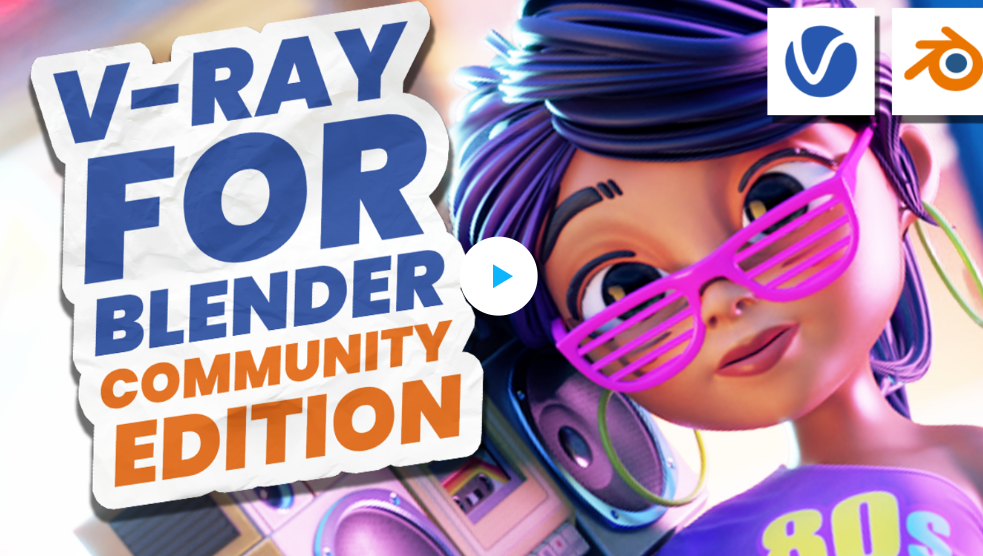
V-Ray for Blender
https://www.chaos.com/vray/blender
lets start with vray for blender, this was unexpected, you can now download and use vray in blender for free, with there community license, for most things vray is already ahead of cycles so this is huge, and thats not all, the vray blender addon comes with there chaos library, so you are getting alot of free vray materials, assets, like plants, furniture, hdris, textures and more, you should get a copy right now.
MeshTailor
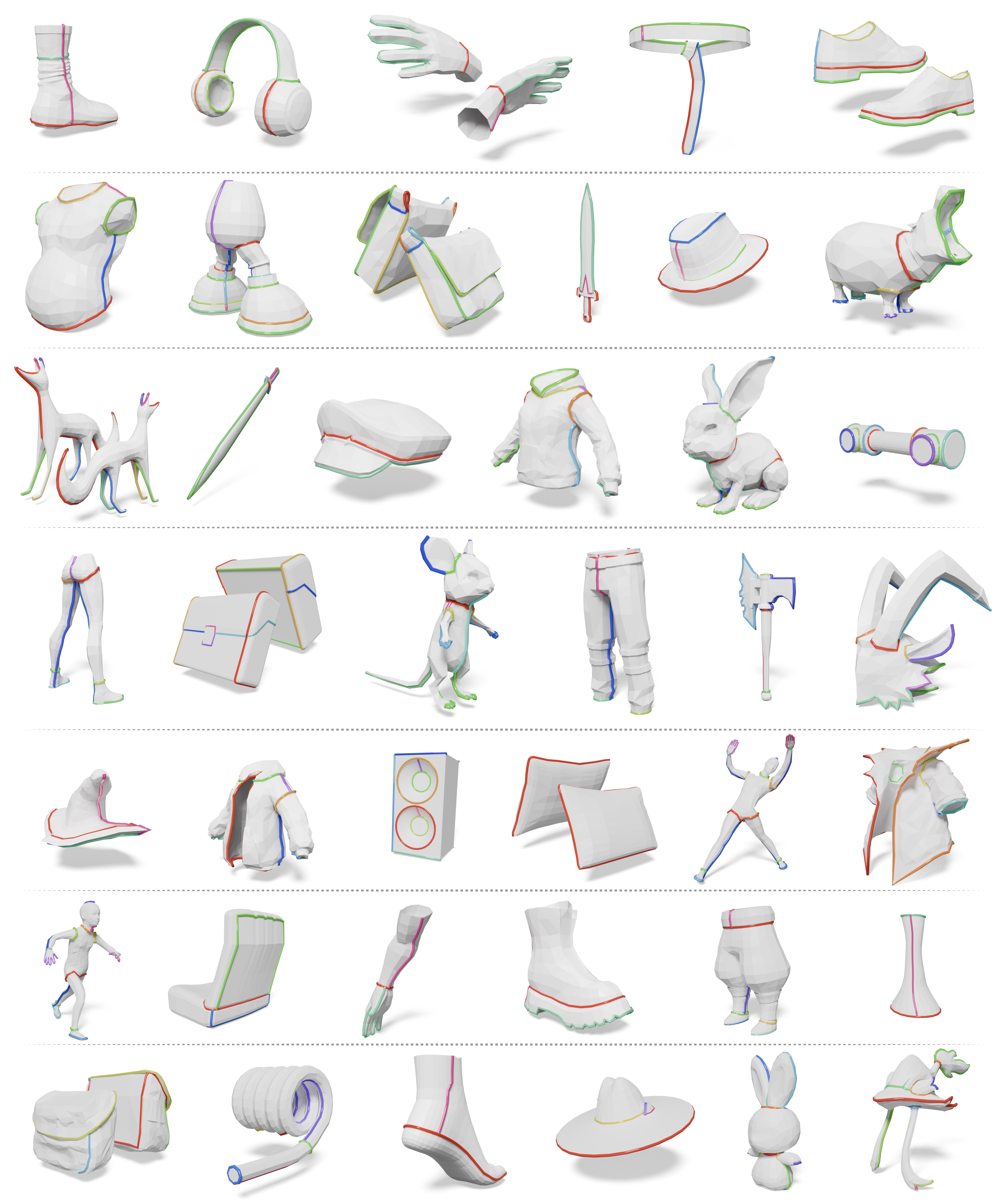
next up meshtailor, finally a way to automatically uv unwrap without scratching your head at the results, there is a paper on github.io about this by shenzhen university, showing how they have successfully trained an ai to do uv unwrapping in a way an artist would. they have tested this on several meshes from hands, characters, dogs, hats, shoes, belts, shirts, trousers, almost every model possible, so finally uv unwrapping can be a single click button instead of a full workflow on its own.
what makes this even more interesting is that meshtailor is not just blindly cutting meshes, it actually understands production requirements, meaning it can generate uvs based on things like orientation, loop flow and even vertex noise. all of this is aimed at producing cleaner results with fewer seams and islands, something that most automatic unwrap tools struggle with.
Framerate
we also have framerate, and this one is more on the content side but still very relevant if you are creating anything in 3d. framerate is positioning itself as a new kind of video platform, focusing on curated content instead of the usual algorithm driven feed, which is something a lot of creators have been asking for. instead of your work getting buried under random uploads, the idea here is that content is selected and presented in a more intentional way, which could make it easier for high quality work to actually get seen.
what makes it interesting is that it’s not just another hosting site, it’s leaning more into structured viewing, almost like curated channels and collections, which is very different from the chaotic nature of platforms like youtube. for 3d artists this could be a big deal, especially if it gains traction, because distribution is just as important as creation, and having a platform that favors quality and presentation over pure algorithm performance could change how artists share breakdowns, reels and even full projects.
RealUI Buttons
https://esmiles.gumroad.com/l/iiihf/
and then we have realui buttons, which at first looks like it’s just improving blender’s interface, but it’s slowly turning into something much bigger. the core idea is still the same, making tools easier to access by bringing hidden operators out of menus and into a clean, interactive ui, but it’s now evolving into a full workflow toolkit that goes beyond just interface tweaks.
what really stands out now is the addition of new particle systems, including work on bringing back reactor-style particles into blender, where particles can instance new particles on collision. this opens up effects like sparks, chain reactions, impact bursts and secondary simulations that feel much more alive, and this time it also includes collider support, so particles can react to surfaces and generate even more detail on contact.
on top of that, there is a particle system that supports self collision among particles, making piling and stacking effects much easier without hacks. things like debris, sand or clustered objects become much more natural, especially when combined with the existing scattering tools. add to that edit mode operators like detail, bend and twist, and it starts to feel like a full modeling and effects toolkit built directly into your workflow.
kimodo the death of motion capture
we also have kimodo from NVIDIA, and this is one of the more important shifts happening in animation right now. instead of random motion generation, kimodo is focused on giving you control, letting you guide animations using text prompts, sequence multiple prompts over time, define paths and waypoints, and even control full body poses. this makes it feel less like a generator and more like a tool you can actually direct.
another key difference is that it’s trained on optical motion capture data instead of just video, which gives it more accurate and believable motion, something that matters a lot for game development, npc animation and cinematics. and it doesn’t lock you into its own system either, you can export animations in formats like BVH and NPZ and bring them into tools like Blender or Unreal Engine for retargeting and further work.
when you look at all of this together, a clear pattern starts to form, tools are getting faster, more specialized and more integrated into real workflows. instead of replacing artists, most of these updates are focused on removing friction, speeding up iteration and giving you more control where it matters. whether it’s rendering, uv unwrapping, animation, ui or even content distribution, everything is moving toward helping you get to the final result quicker without sacrificing quality, and that’s what makes all of this worth paying attention to.